
Sacramento · Portable Restroom Rentals
Construction Restrooms
Job-site units on monthly rates, placed by headcount and serviced weekly, with sinks and accessible units on the same order.
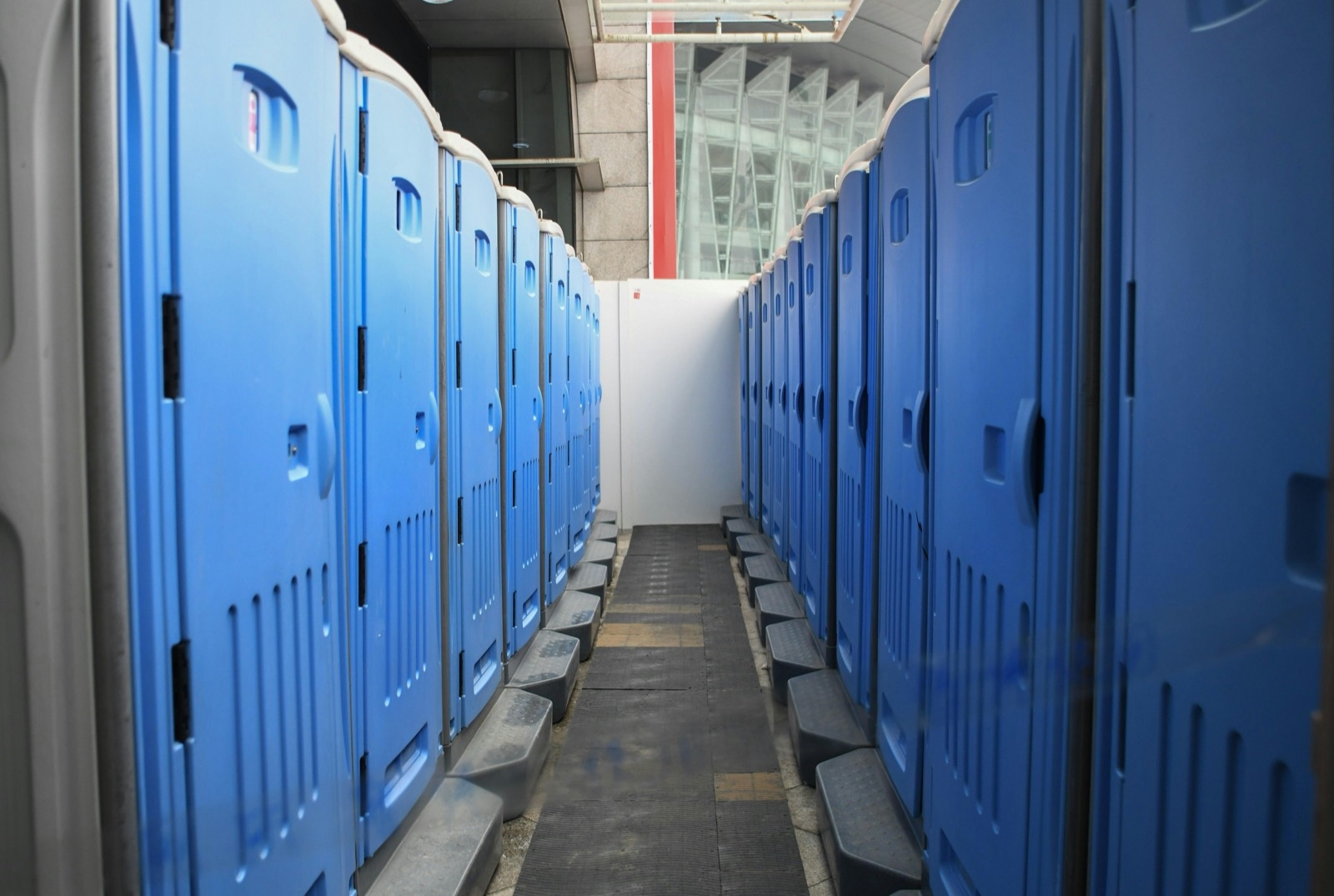
Construction Restrooms · Sacramento
What A Job Site Actually Needs
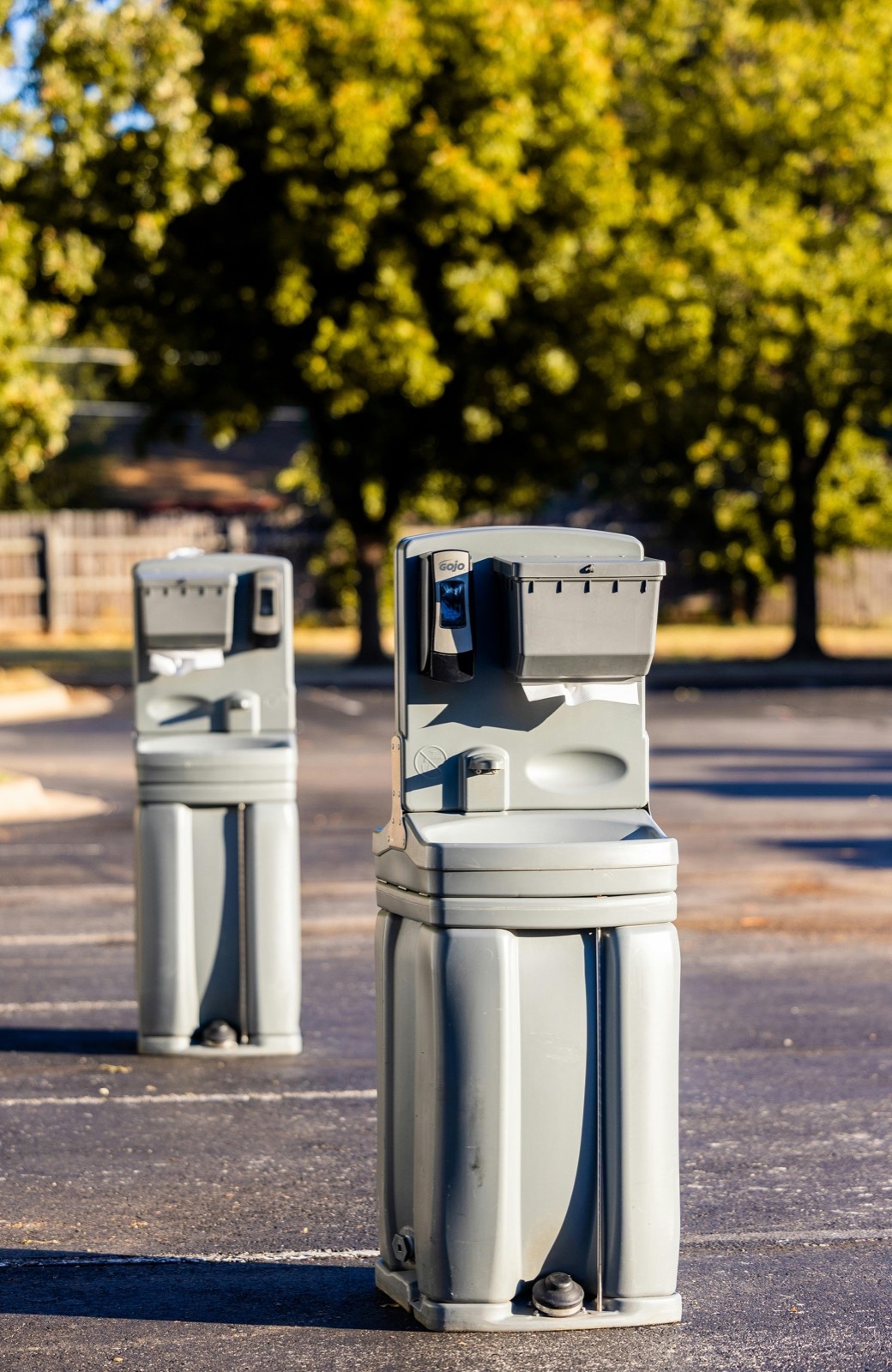
A construction porta potty is the same equipment as any other unit and a completely different service. On a job site the rental runs for months rather than days, the unit moves as the work moves, the headcount changes every few weeks, and there is a regulation behind the whole thing: OSHA requires one unit per ten workers, serviced at least weekly. We supply construction site restrooms across the Sacramento region for general contractors, homebuilders, civil crews, utility contractors and owner-builders, on monthly rates with a fixed weekly service day. The counts are set against your peak headcount rather than your average, because the week the drywall crew overlaps with the painters is the week one unit stops being enough and somebody rings us annoyed. Where the site also needs somewhere to wash, a handwashing station goes on the same order and the same delivery.
Why Contractors Stay With Us
The thing that goes wrong on a job site is never the unit. It is that the unit ended up at the gate while the crew is working two hundred feet away, or that the service truck could not reach it because the site changed, or that nobody moved it forward when the trades did. Those are all failures of attention rather than equipment, and they are the ones we work at. We place units where the work actually is, we move them as the job moves, and we swap out a unit that has taken a beating rather than cleaning around the damage. We also give you one number that covers delivery, the whole rental period, weekly service and the pickup at the end, so the last invoice does not arrive with a collection charge on it. Contractors who run several sites tend to put all of them on one account with us for exactly that reason, and the same crew handles their portable restrooms on the smaller remodels and their ADA portable restrooms on the public work. If you are comparing suppliers, everything we rent is on a Sacramento portable restroom company page by page.
- Counts sized on your peak crew, not your average, so the unit ratio still works in the busiest week of the job.
- Units repositioned as the work moves down the site, rather than left where the first delivery happened to put them.
- A fixed weekly service day for the whole rental, so site management knows when the truck arrives.
- Swap-outs from spare stock when a unit is damaged or has been used hard, at no extra visit charge.
- Monthly rates with delivery, servicing and final pickup inside one flat quoted number.
- Multi-site accounts with one invoice, one coordinator and one point of contact across every job you are running.
Reasons To Put Units On A Job Site
Beyond the fact that the regulations require it, here is what a properly serviced site actually buys you:
OSHA requires it
One unit per ten workers, serviced at least weekly, is the working rule on a construction site. It is not a guideline anybody negotiates during an inspection, and the cost of compliance is trivial against the cost of not being compliant.
Crews stop leaving the site
A crew with nowhere to go drives somewhere. Ten people losing fifteen minutes twice a day is more lost labor in a week than the whole month of rental costs, and it is invisible in the schedule until you look for it.
The neighbors stop calling the city
On infill and residential work, a site without facilities generates complaints that reach the city and then reach you. A unit on the lot removes an entire category of problem for the price of a rental.
The site stays inspectable
Public work, prevailing-wage work and most commercial contracts carry facility requirements in the paperwork. Having it right from day one is a great deal easier than retrofitting it when somebody asks.
The headcount is about to jump
The unit count that worked during framing does not work when the finish trades arrive. Ordering against the peak rather than the current crew avoids the week where everybody notices at once.
The job is going long
Anything past a month belongs on a monthly rate rather than a series of short rentals. Long term portable toilet rental on a fixed route is both cheaper per day and one less thing to keep re-ordering.
Give us the site address, your peak crew size and the start date, and we will tell you the count and the monthly number. Call: 916-619-1714
How We Work
What actually happens between the first call and the pickup.
1. Count the crew, walk the site
We work out the unit count from your peak headcount and find the placements — spread through the work areas rather than clustered at the gate, on ground the service truck can reach every week without depending on dry weather.
2. Deliver and set the route
Units go in on the agreed day, stocked and ready, and the site goes onto a fixed weekly service day for the duration of the job. Sinks and accessible units arrive on the same delivery rather than a second trip.
3. Move with the work
As the trades move down the site, the units move with them. Repositioning during a normal service visit is part of the rental rather than a separate charge, and it is the single thing that decides whether crews use the units.
4. Scale up and back down
Add units when the finish trades arrive, take them off when the crew shrinks, and collect everything when the streets are accepted. The monthly rate follows the actual count rather than the one you ordered in month one.
Counts, Placement And Service On A Job Site
The parts of a construction rental that actually decide whether it works:
The one-per-ten rule
OSHA expects one unit per ten workers on a job site, serviced at least weekly. On a site with sixty people that is six units, and they need to be distributed rather than lined up in one place, or half of them go unused while the other half get overwhelmed.
Placement that survives the build
A unit sited off the plan often ends up unreachable once the building goes vertical or the site fencing changes. We place off a walk of the actual site and reposition as the work moves, because a unit in the wrong place is the same as no unit at all.
Weekly service and heavy-use sites
Weekly pumping, cleaning, sanitizing and restocking is the baseline. Sites with high headcount, or any site through a Sacramento July and August, do better on twice-weekly service, and it costs much less than most people assume once the site is already on a route.
Handwashing on site
A unit with no sink beside it gets used less and reflects worse on the job. A portable hand washing station next to the units is cheap, and on food-adjacent, healthcare or public work it is expected rather than optional.
Accessible units on public work
Public projects, prevailing-wage jobs and most commercial contracts expect an accessible unit on site. It is larger than a standard unit and it needs a firm, level approach, so it is worth siting deliberately rather than squeezing in later.
Fencing, gates and access
Locked sites, gate codes, badge access and changing site fencing are the ordinary reasons a service visit fails. We set that up once at the start of the job so the driver is not calling somebody from outside the gate every week.
Multi-site accounts
Contractors running several jobs at once put them all on one account: one coordinator, one invoice, and units moved between sites as the work finishes rather than collected and re-delivered.
What Construction Restrooms Cost
Job-site rentals run on monthly rates rather than daily ones, which is why the per-day cost bears no relation to an event price. What decides the monthly number:
- How many units. The count follows the crew at roughly one per ten workers. This is the largest single factor and the one worth getting right before the job starts rather than during it.
- Service frequency. Weekly pumping is inside the standard monthly rate. Twice-weekly through the summer or on a heavy site is an add-on, and on a large crew it is cheaper than the alternative.
- Unit mix. Standard units carry the site. An accessible unit, a flushing unit for the site office or a sink station each price differently, and most sites end up with a mix rather than one type.
- How long the job runs. Delivery and final pickup are spread across the rental term, so a six-month job and a three-month job are closer in total cost per month than people expect.
- Access and repositioning. Sites where the truck can reach every unit on a firm surface service quickly. Soft ground, long carries, locked gates and frequent repositioning all add time to the weekly visit.
- Site conditions through winter. Basin and floodplain sites around Natomas and West Sacramento need boards or gravel pads from November through March, which is planned in rather than billed as a surprise.
You get one flat monthly number per unit with delivery, weekly service, restocking, repositioning and the final pickup already inside it. Where the job needs more than standard units, we quote the restroom trailers and the sinks against the same site so there is one price and one delivery rather than three suppliers.
Frequently Asked Questions
Do you provide restrooms for construction sites?
Yes — it is most of what we do. OSHA requires one unit per 10 workers on job sites, serviced at least weekly, and we set the count against your peak crew rather than your current one. Units are placed through the work areas, moved as the job moves, and serviced on a fixed weekday for the whole rental.
How many portable toilets do I need on my job site?
The working rule is one per ten workers. Sixty people on site means six units, distributed rather than grouped, so nobody has a long walk. Order against the busiest week of the job — usually when the finish trades overlap — rather than the average, because that is the week a shortfall gets noticed.
Is there a minimum rental period for a construction site?
One month. That is standard across the industry and it is also the point at which the monthly rate becomes far better value than a weekly booking. There is no contract beyond the month and no notice period to give when the job ends.
How often do job site units get serviced?
Weekly as standard: pumped, washed, sanitized and restocked, on the same weekday for the length of the rental. On heavy sites and through the Sacramento summer we recommend twice a week, and we will suggest it rather than wait for the call.
Can the units be moved as the site changes?
Yes, and they should be. Repositioning during a normal service visit is part of the rental rather than a separate charge. A unit left where the first delivery put it usually ends up too far from the work — or fenced off entirely — by the time the building goes vertical.
Do I need an accessible unit on a construction site?
On public projects, prevailing-wage work and most commercial contracts, yes. An accessible unit is a larger footprint with a ramp-level entry, grab bars and turning space inside, and it needs firm level ground. Plan it in with the rest of the order rather than adding it after somebody asks.
Do you supply handwashing on site as well?
Yes, on the same order and the same delivery. A sink station next to the units costs very little and it is expected on food-adjacent, healthcare and public work. Crews also simply use the restrooms more when there is somewhere to wash.
Can you handle several job sites on one account?
Yes. Contractors running multiple jobs put them all on one account with one coordinator and one invoice, and we move units between sites as jobs finish instead of collecting and re-delivering them.
Get A Free Estimate
Tell us the site, the dates and roughly how many people will be using it, and we will send a free estimate back the same day. Call 916-619-1714 or fill in the form and we will do the rest.
Or call us now: 916-619-1714